
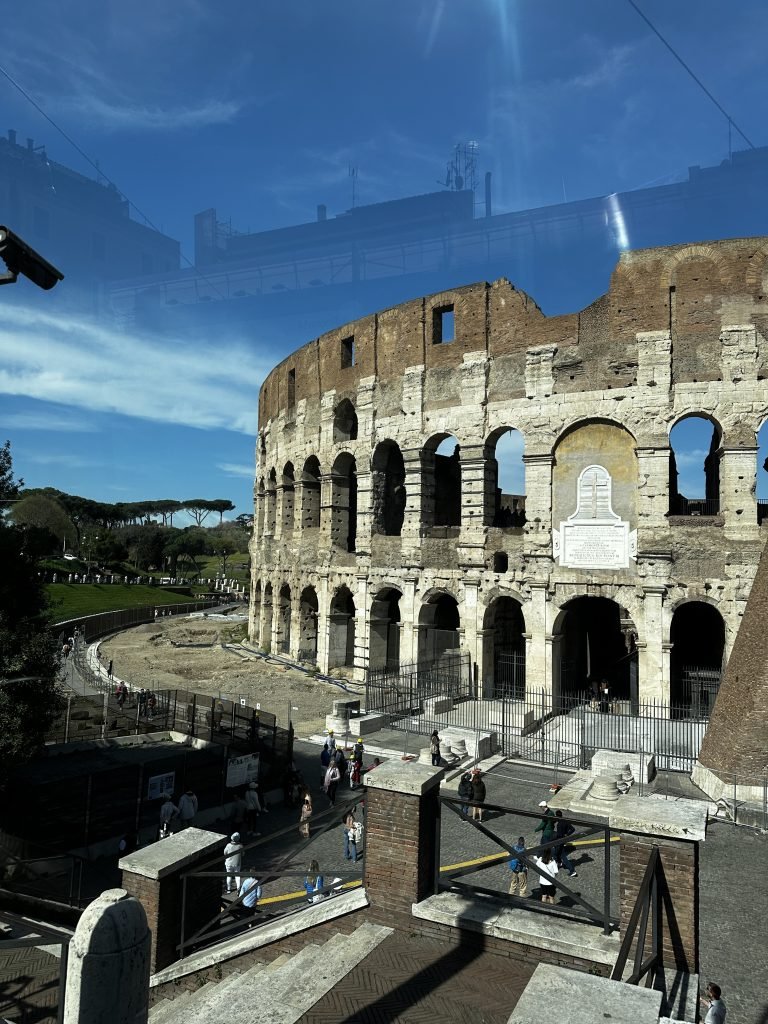
🇮🇹 Rome – Walking Through 2,000 Years of History
Rome isn’t just walkable — it’s layered.
Every corner feels like stepping into a different century. You’ll move from ancient empire to Renaissance art to modern Italian café culture within a few streets.
The Essential Walking Route
Start early to avoid crowds and heat:
- Colosseum → Walk toward the Roman Forum
- Continue to the Pantheon
- Wander narrow streets toward Piazza Navona
- End at the Trevi Fountain
Distances are manageable. Most major sights sit within 2–3 km of each other.
What Makes Rome Special on Foot
- Cobbled lanes that open unexpectedly into grand piazzas
- Gelato stops every few blocks
- Church interiors that rival museums (and often free to enter)
Practical tip: Wear solid walking shoes — Roman cobblestones are beautiful but unforgiving.
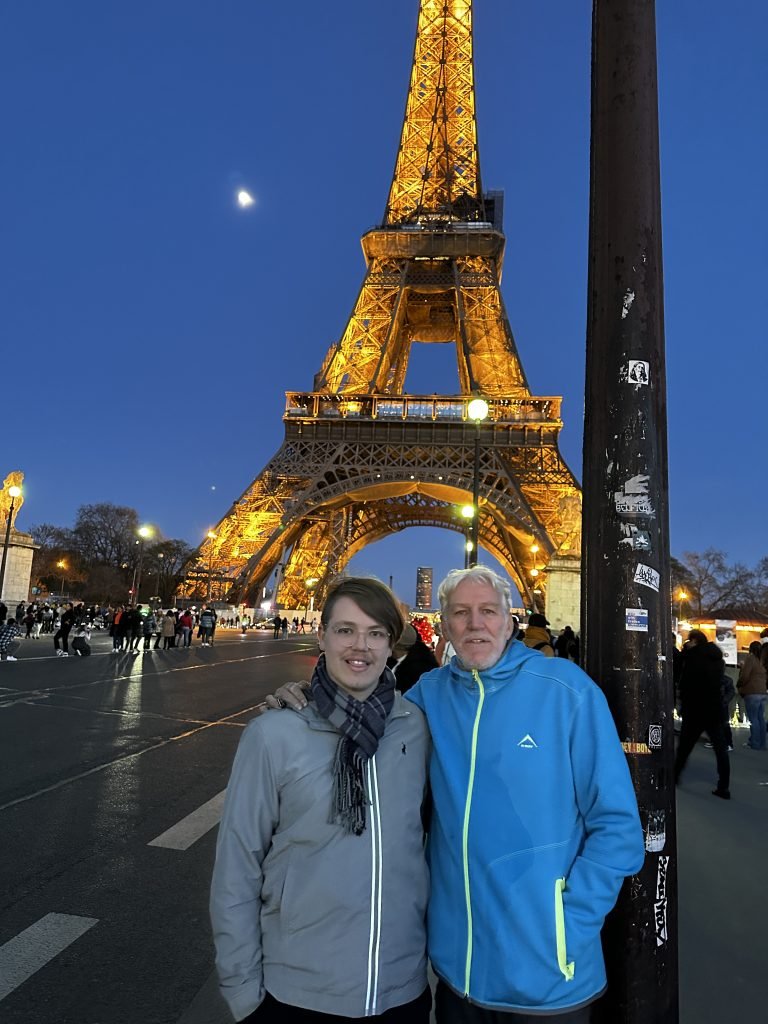
🇫🇷 Paris – Elegant Strolls & River Views
Paris was designed for walking. Wide boulevards, symmetrical avenues, and the Seine connecting it all — it’s almost theatrical.
A Classic Paris Walk
- Begin at the Eiffel Tower
- Walk along the Seine River
- Cross toward the Louvre
- Wander through Île de la Cité
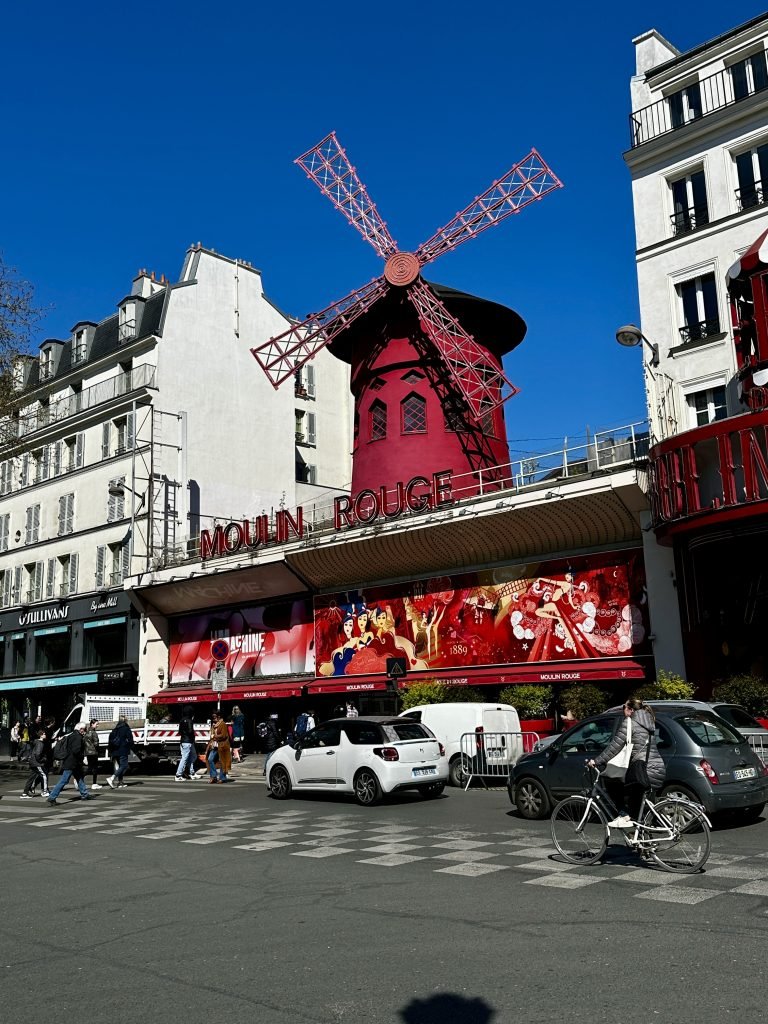
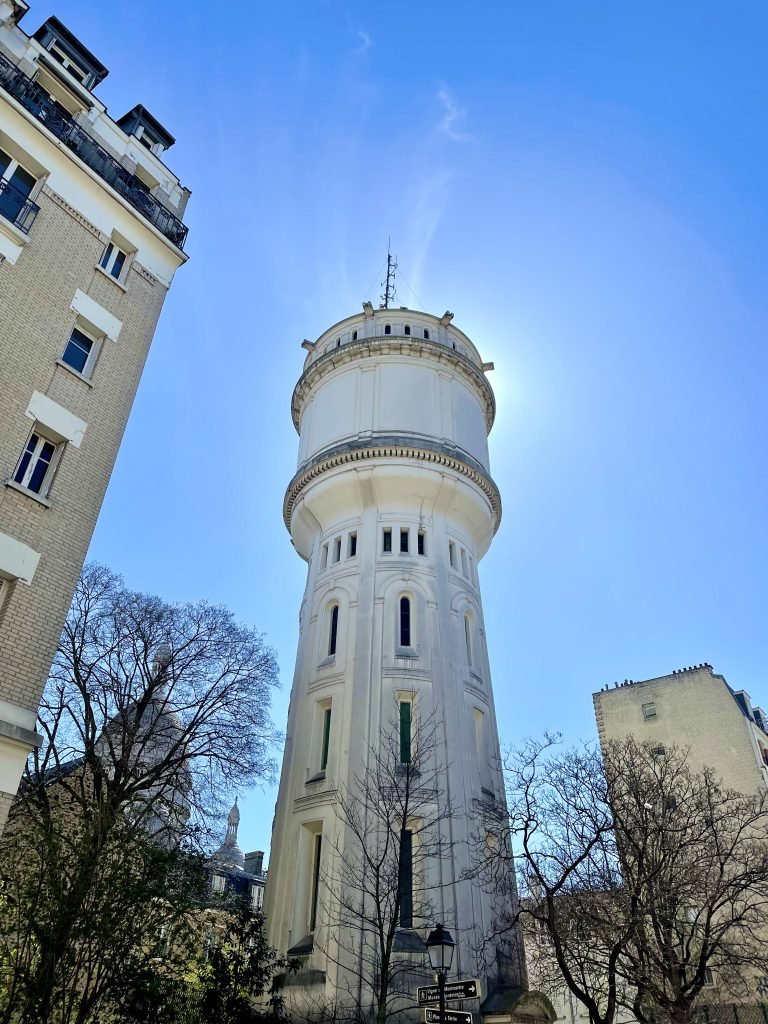
- End in Montmartre for sunset views
The beauty of Paris is not rushing. Sit at cafés. Watch street musicians. Pause often.
Why Paris Works So Well on Foot
- Consistent architecture creates visual harmony
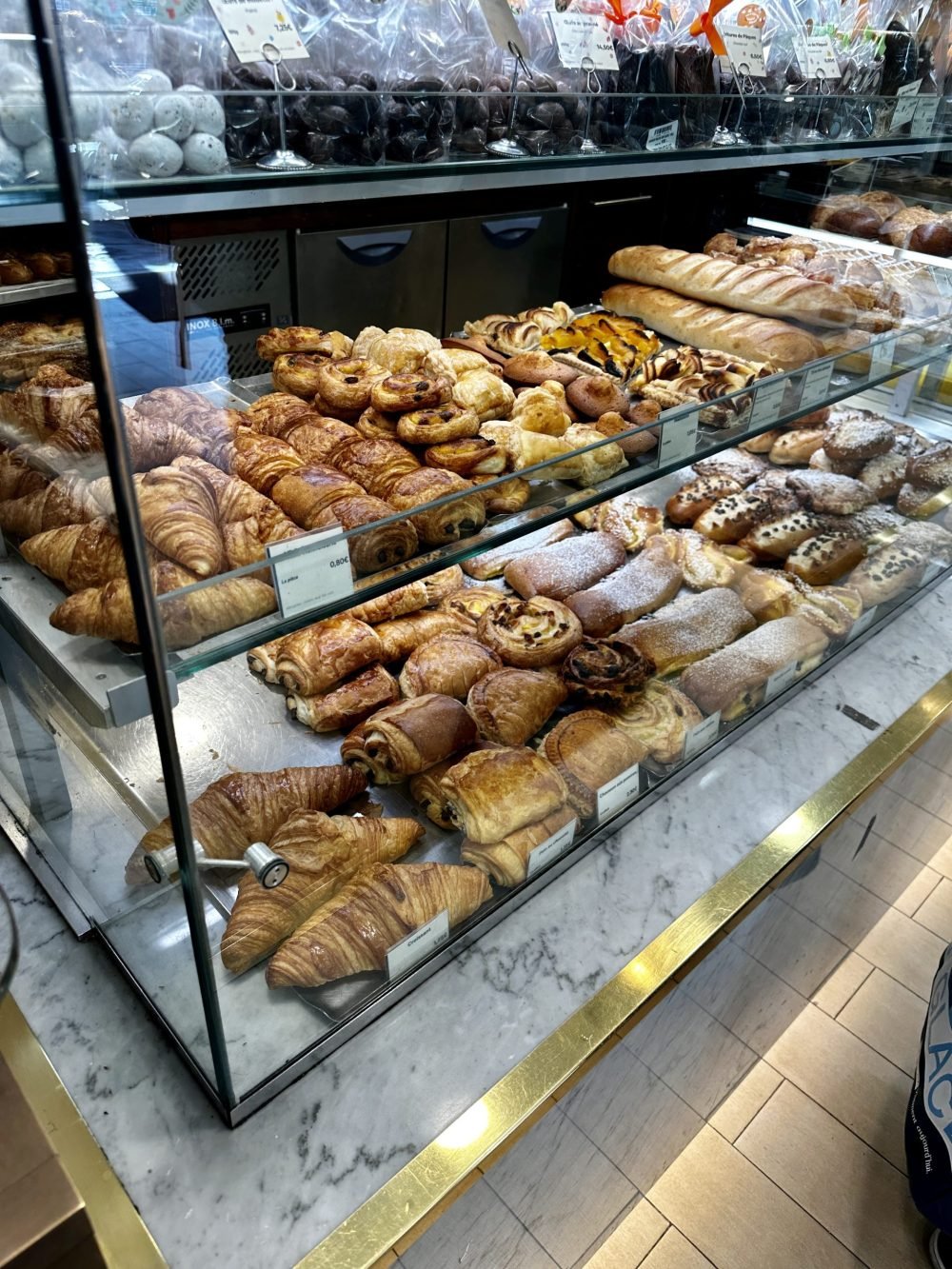
- Frequent bakeries encourage delicious detours
- Riverbanks provide natural walking paths
Strategic insight: Group landmarks by neighborhood. Paris rewards focused exploration over crisscrossing the city.
🇧🇪 Brussels – Compact, Charming & Underrated
Brussels often surprises visitors.
It’s compact, easy to navigate, and ideal for a half-day or full-day walking experience.
The Ideal Walking Loop
- Start at Grand Place
- Explore side streets filled with chocolate shops
- Visit Galeries Royales Saint-Hubert
- Meander through the Old Town
You can comfortably explore the central district in a few hours.
What Makes Brussels Walkable
- Short distances between attractions
- Beautiful squares and hidden courtyards
- Exceptional food stops (waffles, fries, chocolate)
Pro tip: Visit Grand Place both during the day and after dark — the lighting transforms the square completely.
How to Plan a Walkable European Trip
Walking Europe well requires intention.
1. Choose Accommodation Strategically
Stay central, even if it costs slightly more. You’ll save time and transport costs — and maximize your experience.
2. Build Themed Days
Instead of chasing “must-see lists,” structure your day around:
- History
- Food
- Architecture
- River walks
- Hidden neighborhoods
3. Travel Light
A small crossbody bag or daypack works best. European cities are compact but full of stairs, cobbles, and metro stations.
4. Schedule Rest Moments
Slow travel isn’t about exhaustion. It’s about immersion.
Sit. Observe. Reflect.
Why Walking Changes the Experience
When you walk:
- You discover streets not on the map
- You notice small details — doors, balconies, local shops
- You create space for spontaneity
In business and travel alike, pace matters. The faster you rush, the less you truly absorb. Walking Europe teaches you to move with intention.
Rome gives you depth.
Paris gives you elegance.
Brussels gives you charm.
And the streets connect it all.
The Bakeries